The Future of Small Business Depends on Skilled Tech Workers
Small businesses are entering a new era of growth, innovation, and digital transformation. From construction firms using digital building models to local companies protecting customer data from cyber threats, technology is now part of almost every industry. As businesses continue adapting to changing customer expectations and modern tools, the need for skilled talent in technical fields continues to grow.
RW2 Career & Technical Education is helping prepare learners for these growing workforce needs through flexible online technical training designed around real industry demand. We’re creating a future where more people can participate in meaningful careers that help businesses thrive. Too many skilled people still face barriers to education or career growth, even though employers are actively searching for talent with practical technology skills.
The 2026 workforce increasingly depends on workers with technical and cybersecurity skills. Small businesses especially need team members who can solve problems, communicate effectively, and adapt to new systems in rapidly changing industries.
This shift is creating major opportunities in technical education programs that prepare learners for real-world careers in cybersecurity, CAD, BIM, and other technology-focused industries. For students exploring their future, adults considering career changes, or people returning to the workforce, these fields offer pathways toward long-term career growth and workforce participation.
RW2 Career & Technical Education helps learners build those skills through flexible online instruction, certification preparation, portfolio development, and work-based learning experiences connected to today’s employer expectations.
Why Small Businesses Are Investing in Tech Talent
For years, many people assumed advanced technology jobs only existed inside large corporations. Today, that is no longer true.
Small businesses now depend on digital tools for daily operations, communication, customer service, security, marketing, project management, and financial systems. Even smaller construction firms, manufacturers, healthcare providers, and local service companies rely heavily on technology to stay competitive.
Because of this, employers are searching for workers who can contribute immediately in areas such as:
- Cybersecurity
- Computer-Aided Drafting and Design (CADD)
- Building Information Modeling (BIM)
- IT support
- Digital systems management
- Technical problem-solving
The demand for tech careers for small businesses continues growing because companies need practical talent that can help them operate safely and efficiently in a digital-first world.
Employers continue looking for candidates who can demonstrate practical skills, communication, adaptability, and certification readiness. Teamwork, professionalism, and ethical decision-making are becoming just as important as technical knowledge.
This combination of technical ability and career readiness is what makes skilled workforce training increasingly valuable in 2026 and beyond.
Cybersecurity Jobs Are Becoming Essential for Every Industry
Cybersecurity is no longer limited to government agencies or large technology companies. Today, even small businesses face risks involving:
- Data breaches
- Online scams
- Phishing attacks
- Ransomware
- Password theft
- Unsafe networks
A single cybersecurity issue can disrupt operations, damage customer trust, and create financial stress for a business.
Because of this, cybersecurity jobs 2026 are expected to remain among the fastest-growing technical career paths. Businesses need talent that understands how to identify threats, secure systems, and promote safe digital practices.
Small businesses often cannot afford large cybersecurity departments, which makes skilled entry-level cybersecurity professionals even more valuable. Employers want team members who can help monitor systems, recognize vulnerabilities, and support safe workplace technology practices.
RW2’s Cybersecurity program focuses on helping adult learners build real-world knowledge that connects directly to workforce expectations. Students strengthen technical skills while also developing communication, teamwork, ethics, and professional confidence.
RW2 also assists cybersecurity students in preparing for CompTIA Security+ certification pathways to help strengthen their industry knowledge, confidence, and career qualifications.
Work-Based Learning Helps Students Build Real Experience
One of the biggest challenges for many learners is gaining experience before applying for jobs. Employers want some experience in addition to demonstrating practical skills, communication ability, and workplace readiness.
That is why work-based learning has become increasingly important in technical education.
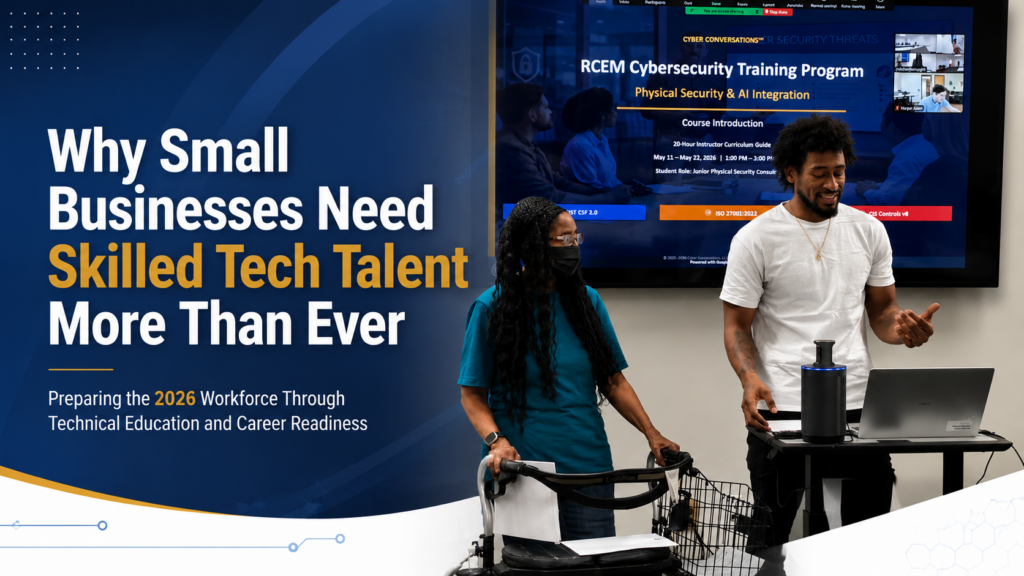
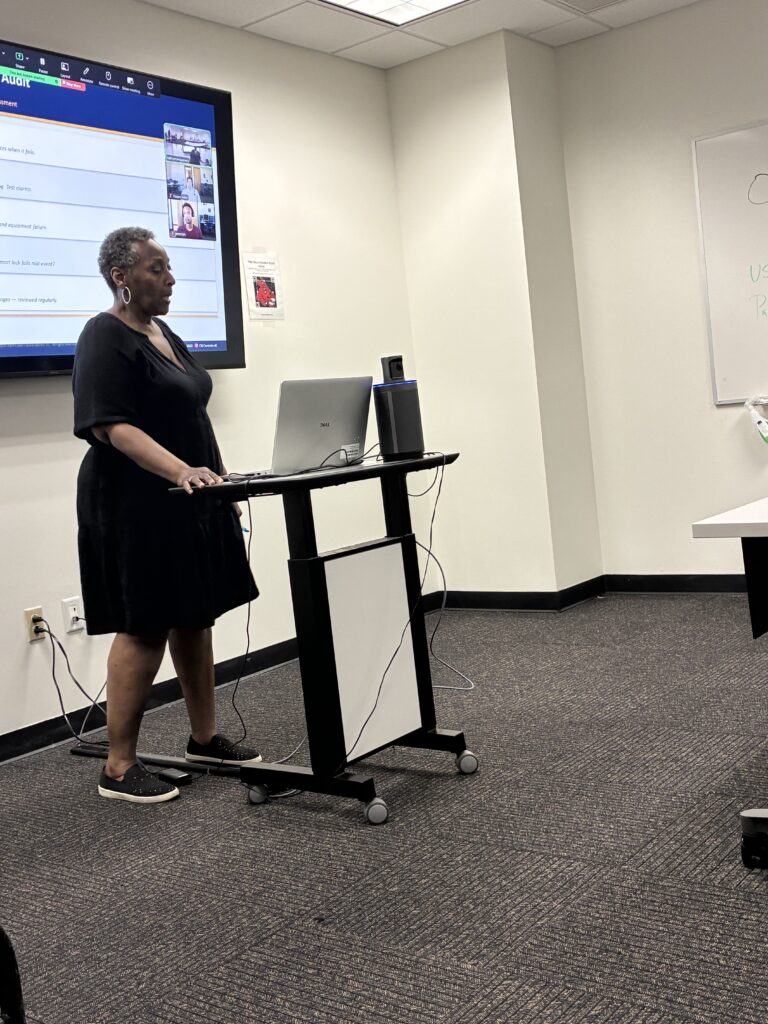
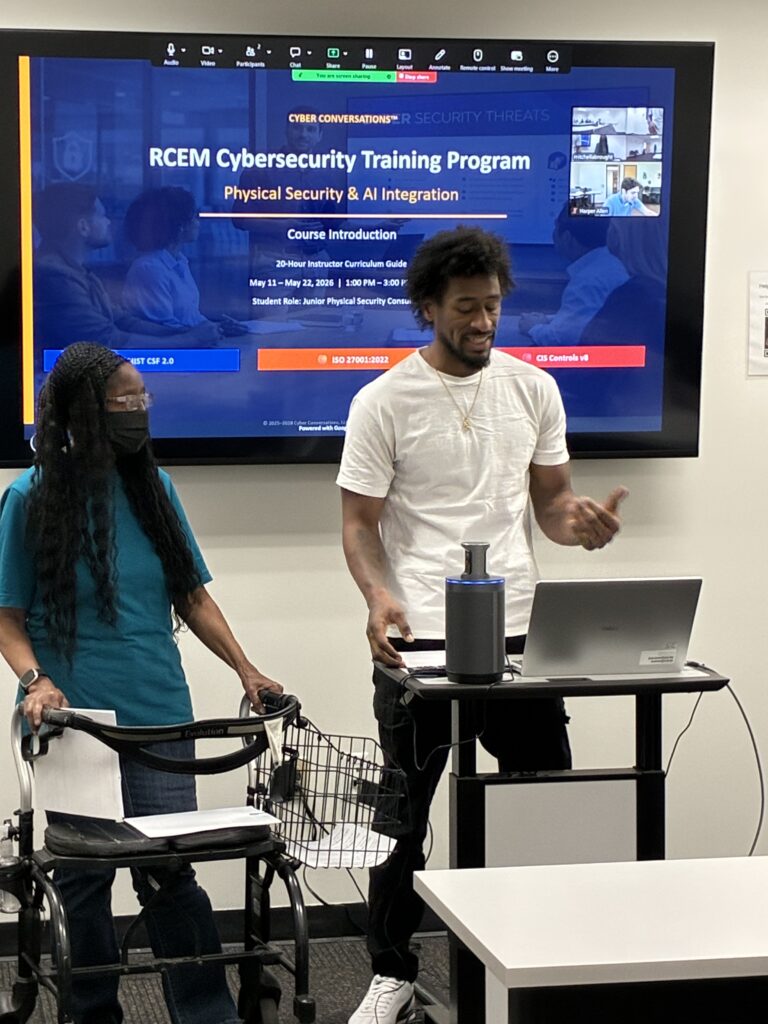
Through RW2’s Cyber Conversations initiative, cybersecurity students and graduates – Cyber Liaisons- gain resume-ready experience. These Cyber Liaisons are teaching cybersecurity and physical security concepts through the MOSOC Physical Security Training sponsored by the Missouri Department of Higher Education and Workforce Development and the University of Central Missouri.
This experience allows learners to practice:
- Public speaking
- Team collaboration
- Technical communication
- Leadership
- Problem-solving
- Real-world cybersecurity awareness
Instead of only studying concepts in theory, students gain practical experience connected to real workforce environments.
Experiences like these help learners feel more confident entering technical careers while also helping employers identify talent prepared for modern workplace expectations.
CAD and BIM Skills Continue to Shape Construction and Design Industries
Technology is transforming architecture, engineering, and construction industries at a rapid pace.
Companies increasingly rely on digital design tools to improve collaboration, reduce project errors, and streamline communication between teams. This has increased demand for workers trained in CAD and BIM technologies.
CAD professionals help create precise digital drawings used in manufacturing, engineering, architecture, and construction. BIM professionals work with intelligent digital building models that help teams manage projects more efficiently.
Small businesses in these industries often need workers who can contribute quickly using modern software tools and technical workflows.
Technical education programs focused on CAD and BIM can help learners prepare for careers involving:
- Architectural drafting
- Construction technology
- Engineering support
- Digital modeling
- Project coordination
- Design collaboration
As more companies modernize their operations, workers with technical design skills continue becoming highly valuable across multiple industries.
RW2 helps learners strengthen these technical abilities while also building portfolios that demonstrate practical skills to employers.
Technical Education Is Becoming a Faster Pathway Into Workforce Participation
Many people today are rethinking how they enter the workforce. Traditional career paths are no longer the only option for building a stable future.
Technical education programs provide focused, career-oriented learning that helps students develop practical skills aligned with current workforce needs. Instead of spending years exploring unrelated coursework, learners can concentrate on industry-relevant training connected to real jobs.
This is especially important for people facing barriers to education or career growth, including adults changing careers, parents returning to work, or individuals seeking new opportunities after financial setbacks.
Flexible online learning environments also make participation more realistic for many learners balancing work, caregiving responsibilities, or transportation challenges.
RW2’s online instruction helps students continue building skills while maintaining their daily responsibilities. This flexibility creates more opportunity for learners to participate in technical education without completely pausing their current lives.
Students also gain support in areas such as:
- Career readiness
- Portfolio development
- Professional communication
- Certification preparation
- Workforce confidence
These experiences help learners prepare for long-term career growth while strengthening workplace readiness and technical confidence.
The Growing Importance of Certification Preparation
Industry certifications continue to play an important role in technical hiring decisions.
Many employers use certifications as a way to identify candidates who understand industry standards and technical foundations. Certifications can also help learners demonstrate commitment, preparation, and career readiness.
In cybersecurity especially, certifications remain highly recognized within hiring processes.
RW2 supports certification preparation as part of its workforce-focused learning approach. Students strengthen practical knowledge while preparing for industry expectations connected to technical careers.
Certification preparation also helps learners:
- Build confidence
- Measure progress
- Strengthen resumes
- Increase interview readiness
- Demonstrate professional commitment
For many learners, certifications become an important milestone toward career advancement and workforce participation.
Why Workforce Training Matters More Than Ever
The connection between workforce development and economic growth continues to become stronger.
Businesses cannot grow without skilled workers. At the same time, many talented individuals are still searching for pathways into stable careers that provide opportunity, belonging, and participation.
Technical education helps bridge that gap by preparing learners with skills employers actively need today.
For small businesses, hiring workers trained in cybersecurity, CAD, BIM, and related technical fields can improve operations, strengthen security, and support future growth.
For learners, these careers can open doors toward meaningful participation in industries that continue expanding across the country.
This is why workforce-focused education remains increasingly important in 2026 and beyond.

Frequently Asked Questions
Q: Do I need previous experience before enrolling in technical education programs?
A: No experience is needed to begin training at RW2 Career & Technical Education. RW2 offers programs in Computer-Aided Drafting and Design (CADD), Revit for Building Information Modeling (BIM), and Cybersecurity that are designed to help beginners build skills step by step.
Learners who want to explore the programs first may also participate in a 2-week online sit-in experience to better understand the classes and career pathways before enrolling. To learn more, interested students can fill out this form: RW2 Interest Form
Q: Are cybersecurity jobs expected to grow in 2026?
A: Yes. Cybersecurity jobs 2026 are expected to remain in high demand as businesses continue strengthening digital security practices. Small businesses, healthcare organizations, construction firms, and many other industries now need cybersecurity support.
Q: Can adults switch into technical careers later in life?
A: Absolutely. Many adults enter technical careers after working in completely different industries. Flexible online learning and workforce-focused training can help career changers build confidence and practical skills at their own pace.
Q: What is work-based learning?
A: Work-based learning gives students opportunities to apply skills in practical environments connected to real workforce experiences. This may include collaborative projects, teaching experiences, technical presentations, or hands-on industry activities.
Q: How long does technical training usually take?
A: Program length depends on the career pathway and training focus. At RW2 Career & Technical Education, the Computer-Aided Drafting and Design (CADD) program is 14 weeks, the Revit for Building Information Modeling (BIM) program is 15 weeks, and the Cybersecurity program is 24 weeks.
These workforce-focused technical education programs are designed to help learners build practical skills, career confidence, and industry readiness within a shorter timeframe compared to traditional degree pathways.
Q: Why are CAD and BIM skills important today?
A: Construction, architecture, and engineering industries increasingly rely on digital tools for design and project management. Workers trained in CAD and BIM help companies improve communication, planning, and efficiency.
Q: What soft skills matter most in technical careers?
A: Employers often look for communication, teamwork, professionalism, adaptability, and ethical decision-making. These skills help workers collaborate effectively and succeed in modern workplace environments.
Q: Can online technical education still prepare students for real careers?
A: Yes. Strong online programs combine technical instruction with practical projects, career readiness, and portfolio development. Flexible online learning can also help more learners participate while balancing work and family responsibilities.
Building a Future Where More People Can Participate in Technical Careers
RW2 Career & Technical Education supports people building career pathways through online learning, skill development, certification preparation, work-based learning, and career readiness experiences designed around long-term opportunities.
Beyond technical training, RW2 also provides career support and placement assistance services that help students prepare for workforce participation, including guidance for employment opportunities, resume preparation, and professional readiness.
For cybersecurity learners in particular, RW2 assists students in preparing for CompTIA Security+ certification pathways to help strengthen their industry knowledge, confidence, and career qualifications.
The goal is not only helping students learn technical skills, but also helping them develop confidence, voice, belonging, and participation within growing industries.
For learners exploring their future, technical education can become a powerful starting point toward career growth, workforce participation, and lasting opportunity in a rapidly changing world.