

We’re creating a future where more people can explore technical careers, develop practical skills, and participate in the growing field of cybersecurity. But for someone who has never worked in information technology, taking that first step can feel overwhelming.
You might be interested in protecting computer systems, investigating security incidents, or helping organizations keep their information safe. However, you may also wonder whether you need a computer science degree, years of technical experience, or advanced programming knowledge before you can begin.
Can you start a cybersecurity career without an IT background? Yes. Previous IT employment is not the only possible starting point. However, entering the field requires a willingness to learn technical concepts, develop problem-solving skills, and gain practical experience.
Cybersecurity training can provide a structured way to build that foundation. Understanding what the field involves, which skills to develop, and how to approach your education can help you make a more informed career decision.
Here’s what beginners and career changers should know before getting started.
1. Can You Start a Cybersecurity Career Without IT Experience?
Yes. You can begin learning cybersecurity without having previously worked in an IT position. Many foundational concepts can be introduced through structured training, guided instruction, and practical exercises.
Cybersecurity involves protecting computer systems, networks, applications, and information from unauthorized access, attacks, and other security threats.
While technical knowledge is important, it develops over time. Beginners can start by understanding how computers and networks work before progressing to more specialized security concepts.
For someone exploring a cybersecurity career without IT experience, the first step is recognizing that learning the field is a process.
You do not necessarily need to know everything before beginning training. Instead, you should be prepared to:
- Learn basic computer and networking concepts.
- Understand how digital information is stored and transmitted.
- Develop logical thinking and problem-solving skills.
- Become familiar with common cybersecurity threats.
- Practice identifying and responding to security-related problems.
- Continue building technical knowledge through hands-on activities.
You may also have transferable skills from previous work or education. Attention to detail, communication, organization, and the ability to follow procedures can be useful when developing technical skills.
The important distinction is between having no previous IT employment and having no willingness to develop technical skills. A beginner can work toward the necessary knowledge, but becoming prepared for cybersecurity responsibilities requires consistent learning and practice.
2. What Skills Should Cybersecurity Beginners Learn?
You do not have to master every technical subject before beginning your cybersecurity education. However, understanding the foundational skills can make the learning process more manageable.
Here are four important areas to explore.
Computer and Networking Fundamentals
Before learning how to protect computer systems, you need to understand how they operate.
Start with concepts such as:
- Operating systems and basic system functions.
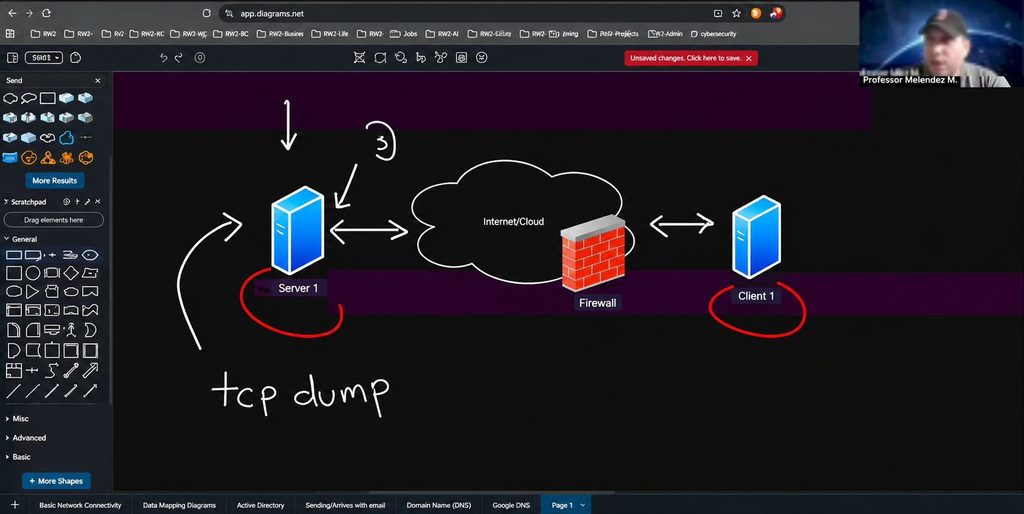
- Computer networks and connected devices.
- IP addresses and network communication.
- Servers and clients.
- User accounts and access permissions.
These concepts help explain how security problems can occur and where protection measures are needed.
Basic Cybersecurity Principles
Information security involves protecting information and the systems that store, process, and transmit it.
Beginners should become familiar with:
- Threats and vulnerabilities.
- Malware and phishing.
- Unauthorized access.
- Password security and authentication.
- Data protection.
- Security monitoring.
For example, a phishing email may appear to come from a legitimate organization but contain a link designed to steal login information. Understanding how these threats operate is part of developing security awareness.
Logical Thinking and Problem-Solving
Cybersecurity professionals regularly investigate situations where something may have gone wrong.
They need to examine available information, recognize unusual activity, and determine what steps should follow.
A basic problem-solving process involves:
- Identifying the reported issue.
- Gathering relevant information.
- Examining the available evidence.
- Determining possible causes.
- Following an appropriate response process.
- Documenting the findings.
These abilities are valuable because cybersecurity work involves more than knowing technical terminology. It requires applying knowledge to practical situations.
Communication and Documentation
Technical skills are important, but cybersecurity professionals also need to communicate what they discover.
An analyst may need to explain an alert, document an investigation, update a case, or communicate findings to another team member.
Clear documentation helps organizations maintain accurate records and understand how security issues were handled.
This is especially important when several analysts work with the same cases or when an investigation requires follow-up.
3. How Are Python and Scripting Used in Cybersecurity?
Do you need to know programming before learning cybersecurity? Not necessarily. However, programming and scripting can become useful tools as you develop your technical knowledge.
Python is one programming language worth exploring. It is commonly used in automation, data processing, and security-related projects.
For beginners, learning Python involves understanding basic concepts such as:
- Variables and data types.
- Conditional statements.
- Loops and functions.
- Basic programming logic.
- Working with files and information.
As students develop these skills, they can apply them to practical cybersecurity projects.
Examples of Python Projects in Cybersecurity
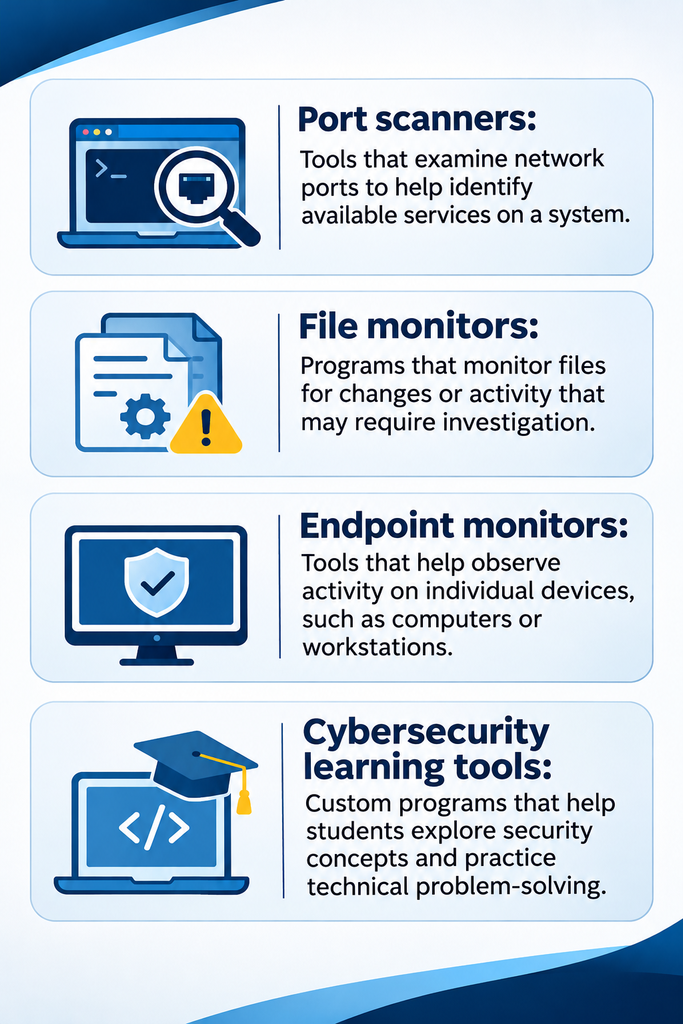
These projects provide opportunities to apply programming fundamentals to cybersecurity-related challenges.
Other Technical Tools Worth Learning
Python is not the only technical skill worth developing. Cybersecurity learners may also encounter:
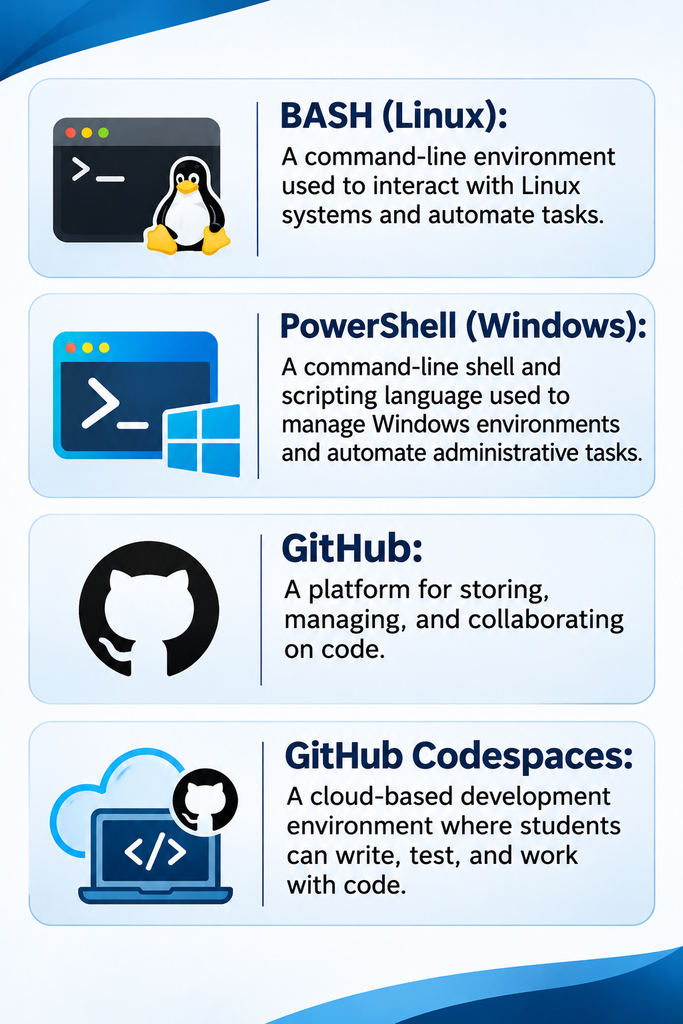
Learning these tools can help students become more comfortable working across different technical environments.
Programming also supports security analysis, detection, automation, and incident response. For example, scripts can help process information, automate repetitive tasks, and connect security tools to support response workflows.
The goal is not to become a professional software developer before entering cybersecurity. It is to understand how programming can support security-related work.
4. How RW2 Helps Beginners Develop Practical Cybersecurity Skills
For people exploring a cybersecurity career without IT experience, finding a structured learning environment can be an important first step.
RW2 Career & Technical Education is a nonprofit workforce training organization that provides technical education in areas including IT, cybersecurity, AEC, and CADD.
Its cybersecurity training combines instructor-led education with practical technical learning, helping students connect foundational concepts with real-world applications.
Instructor-Led Technical Education
RW2’s cybersecurity training is structured as a 24-week program with 456 instructional hours.
Students participate in live-online instruction rather than relying entirely on self-paced study.
This provides an organized learning experience where students can develop technical knowledge through instruction and guided learning activities.
Python Programming and Hands-On Projects
The program places an emphasis on Python and introduces students to BASH for Linux and PowerShell for Windows.
Students develop foundational programming and scripting skills through hands-on projects.
Some examples include:
- Building port scanners.
- Developing file monitors.
- Creating endpoint monitors.
- Working on cybersecurity learning tools.
- Using GitHub repositories and GitHub Codespaces to write, test, and save code.
These activities help students apply programming knowledge to cybersecurity and IT challenges.
Understanding How Security Teams Manage Their Work
Cybersecurity training also involves understanding how security professionals handle alerts and manage cases.
One example is the use of ticketing systems.
A ticketing system helps security teams record, assign, track, update, and close cases. It also allows analysts to manage their workloads and maintain records of their investigations.
A typical workflow looks like this:
- SIEM generates an alert: A Security Information and Event Management (SIEM) system identifies activity that requires attention.
- A ticket is created: An issue-tracking system creates a ticket from the alert.
- The ticket is assigned: The case enters a queue and is assigned manually or automatically to an analyst.
- The analyst manages the case: The analyst investigates the issue, updates the ticket, documents the work, and closes the case when appropriate.
Why is this important?
Analysts may manage several tickets at once. Organizations can monitor ticket queues, outstanding cases, and the number of tickets closed within a given period to understand workloads and performance.
Accurate ticket updates also become part of an organization’s knowledge base, helping other analysts understand how similar issues were handled previously.
Learning this process helps students understand that cybersecurity involves more than identifying threats. It also requires organization, documentation, case management, and communication.
Certification Preparation and Practical Learning
RW2’s cybersecurity curriculum includes CompTIA Security+ preparation and ISC2 Certified in Cybersecurity (CC) concepts.
Students also participate in hands-on security exercises, capstone activities, and learning experiences connected to RW2’s Cyber Conversations work-based learning activities.
Together, these experiences help learners connect technical instruction with practical cybersecurity concepts.
For someone changing careers or exploring technology for the first time, having a structured pathway can make the learning process easier to navigate.
5. Your First Steps Toward a Cybersecurity Career
If cybersecurity interests you but you do not know where to begin, you do not need to figure out your entire career path immediately.
Start with manageable steps and build your knowledge gradually.
Step 1: Explore cybersecurity career paths.
Learn about security operations, threat detection, information protection, and incident response. Understanding the different responsibilities can help you identify which areas interest you.
Step 2: Assess your current knowledge.
Consider what you already understand about computers, technology, and digital systems. Identify the areas where you need more instruction.
Step 3: Develop foundational technical skills.
Start exploring computer fundamentals, networking, information security principles, and basic programming. You can build on these concepts through structured instruction.
Step 4: Compare cybersecurity training options.
Look beyond course titles and promotional claims. Review the curriculum, instructional hours, learning format, practical activities, and certification preparation.
Step 5: Build practical experience.
As your knowledge grows, look for opportunities to complete technical exercises, programming projects, and capstone activities. Keep records of your learning and projects where appropriate.
Step 6: Research realistic employment pathways.
Explore entry-level cybersecurity positions and their actual requirements. Compare the qualifications employers request with the skills you are developing.
Remember that completing training does not automatically guarantee employment. Career preparation also involves developing relevant experience, demonstrating practical abilities, and understanding employer expectations.
The goal is to build a foundation that supports your next steps rather than expect one course to answer every career question.
Frequently Asked Questions About Starting a Cybersecurity Career
Q: Can I start a cybersecurity career without IT experience?
A: Yes. Previous IT employment is not the only way to begin learning cybersecurity. Beginners can develop foundational knowledge through structured training, practical exercises, and technical skill development. However, pursuing a cybersecurity position requires building the qualifications and experience expected by employers.
Q: Do I need a college degree to work in cybersecurity?
A: Not every cybersecurity position has the same educational requirements. Some employers require a degree, while others may consider technical training, certifications, practical skills, and relevant experience. Researching specific job requirements can help you determine which qualifications to pursue.
Q: Is cybersecurity difficult to learn for beginners?
A: Cybersecurity involves technical concepts that may take time to understand, especially for people new to IT. Starting with computer fundamentals, networking, and basic security principles can make the learning process more manageable. Instructor-led training and hands-on exercises can also help students apply what they learn.
Q: Do I need to know Python before enrolling in cybersecurity training?
A: No. You do not necessarily need previous Python experience to begin learning cybersecurity. Programming concepts can be introduced as part of technical training, helping students gradually understand scripting, automation, and other practical applications.
Q: What is a ticketing system in cybersecurity?
A: A cybersecurity ticketing system is used to record, assign, track, update, and close security-related cases. It helps analysts manage their workloads and maintain investigation records. These records can also become a knowledge base that supports future investigations.
Q: Does completing cybersecurity training guarantee a job?
A: No. Completing a training program does not guarantee employment. Training can help develop technical knowledge and prepare students for certification and career pathways, but employers also consider experience, qualifications, practical abilities, and position-specific requirements.
Building Your Next Opportunity in Cybersecurity
A career in cybersecurity does not have to begin with years of IT experience. It can begin with curiosity, a willingness to learn, and a decision to develop new technical skills.
For people considering a career change or exploring technology for the first time, the right learning environment can help turn that interest into a clearer direction.
At RW2 Career & Technical Education, students have an opportunity to develop foundational knowledge through instructor-led training, practical exercises, Python projects, and exposure to security workflows. Learning how analysts investigate alerts, manage tickets, document cases, and use technical tools can provide a clearer understanding of the work involved in cybersecurity.
As you explore your next steps, consider what skills you want to build and how you want to contribute to the future of technology. Your starting point does not have to define your destination. There is room to learn, grow, and find your place in the cybersecurity workforce.
Ready to take your first step? RW2’s next cybersecurity training cohort starts December 14. If you’re interested in learning more about the program, complete the RW2 General Interest Form to connect with the team and explore your learning opportunities.