
We’re creating a future where more people can explore meaningful career opportunities, build practical skills, and find their place in the workforce. If you are considering a career change without going back to college, you may be wondering whether it is truly possible to move into a new field without spending several years earning another degree.
The answer depends on the career you want to pursue. Some professions require a college degree, advanced education, or professional licensing. However, many technical and workforce pathways allow learners to build relevant skills through focused training, certification preparation, technical education, and hands-on learning.
A career change without going back to college can be a realistic path for people who want to develop new skills and prepare for different opportunities. The important first step is understanding what your desired career requires and identifying the right learning path for your goals.
In this guide, you will learn how to evaluate your options, identify transferable skills, explore career training programs, and decide whether focused technical training or a traditional college degree makes sense for your future. You will also learn how RW2 Career & Technical Education supports learners as they build confidence and prepare for participation in technical careers.
Can You Make a Career Change Without Going Back to College?
Yes, it is possible to make a career change without going back to college, depending on the career you want to pursue and the qualifications required for that field.
A four-year degree is important for many professions. Careers in areas such as medicine, law, certain engineering fields, and licensed teaching positions may require formal degrees and additional credentials.
However, other career paths may allow you to prepare through alternatives such as:
- Career training
- Industry certifications
- Technical education
- Short-term training programs
- Hands-on skills development
- Portfolio projects
- Work-based learning
The key is to understand what employers and industries expect from people entering the field.
For example, some technical careers place significant value on demonstrated skills, certifications, practical knowledge, and the ability to work with industry tools. In these situations, focused training may help learners prepare for career opportunities without following the same educational path as someone entering a profession that requires a traditional degree.
A career change is not about choosing the fastest option available. It is about choosing the learning path that matches your career goal.
Before making a decision, ask yourself:
- What career am I interested in?
- What qualifications are required?
- Do employers expect a degree?
- Are certifications valuable in this field?
- What technical skills do I need?
- Can I demonstrate my abilities through projects or a portfolio?
Answering these questions can help you make a more informed decision about your next step.
How to Change Careers Without Going Back to School
If you are wondering how to change careers without going back to school for several years, start by breaking the process into manageable steps. A career transition can feel overwhelming when you look at everything at once, but you can move forward by focusing on one decision at a time.
Identify the Career You Want to Pursue
The first step is identifying where you want to go.
You do not need to have every detail figured out immediately, but having a general direction can make it easier to research your options. Think about the type of work that interests you and the environment where you would like to work.
You might ask:
- Do I enjoy working with technology?
- Am I interested in design, construction, or technical systems?
- Do I enjoy solving problems?
- Would I like to work in IT or cybersecurity?
- Do I want to build skills that can lead to a technical career?
Researching potential careers can help you understand daily responsibilities, required skills, and possible qualifications.
Look at Your Transferable Skills
Changing careers does not mean starting with nothing.
Many adults already have valuable skills developed through previous jobs, education, volunteer work, or personal experiences. These are often called transferable skills because they can be useful in different industries.
Examples include:
- Communication
- Problem-solving
- Teamwork
- Time management
- Customer service
- Organization
- Leadership
- Attention to detail
- Adaptability
Technical careers also require people who can communicate clearly, work responsibly, collaborate with others, and approach problems thoughtfully.
Your previous experience may give you a stronger foundation than you realize.
Identify the Skills You Need to Learn
Once you have identified a career direction, compare your current skills with the skills required for that field.
You may already have strong workplace skills but need to develop technical knowledge. For example, someone interested in an AEC, CADD, IT, or cybersecurity pathway may need experience with specific software, tools, systems, or industry concepts.
Make a simple list:
Skills I already have:
- Transferable workplace skills
- Previous technical knowledge
- Relevant experience
Skills I need to develop:
- Technical tools
- Industry knowledge
- Certification preparation
- Project experience
This process can make your career goal feel more achievable because you can focus on closing specific skill gaps rather than trying to learn everything at once.
Explore Alternative Training Options
There are different ways to build new skills.
Depending on your career goal, you may consider:
- Career training programs
- Technical education
- Certification preparation
- Online instruction
- Work-based learning
- Project-based learning
- Portfolio development
The best option depends on what you want to do next.
Focused training can be especially helpful when learners want structured guidance while developing skills connected to a specific career pathway.
Why Is Job Skills Training for Adults a Practical Option?
For many adults, returning to learning can feel complicated.
People may be balancing:
- Full-time or part-time work
- Family responsibilities
- Financial commitments
- Limited time
- Career uncertainty
- Concerns about returning to a classroom
This is why job skills training for adults can be a practical option for people who want to continue growing without assuming that every career change requires the same educational journey.
Adult learners often bring valuable experience into the learning process. They may already understand workplace expectations, communication, responsibility, and teamwork. Training can help them build on that foundation while developing new technical skills.
The goal is not simply to collect credentials. The goal is to develop knowledge and confidence that can support meaningful participation in the workforce.
How Do You Choose the Right Training Path for Your Career Goals?
Choosing the right pathway starts with understanding yourself and your goals.
Use this checklist to guide your decision.
1. What Career Do You Want?
Start with the direction you want to explore.
You do not need a perfect long-term plan, but identifying a career area can help you focus your research.
2. What Qualifications Are Required?
Find out whether the career requires:
- A degree
- Certification
- Licensing
- Technical training
- Demonstrated experience
- A professional portfolio
3. Which Skills Do You Already Have?
Recognize the knowledge and experience you bring with you.
Your previous career may have given you skills that can support your next chapter.
4. What Skills Do You Need to Learn?
Identify the technical and professional skills that will help you prepare for your desired field.
5. How Much Time Can You Commit to Training?
Consider your current responsibilities and choose a learning pathway that fits realistically into your life.
6. What Learning Environment Works Best for You?
Some learners prefer structured online instruction. Others benefit from hands-on projects, collaboration, or work-based learning.
The best pathway is one that helps you continue moving forward.
How Does RW2 Help Learners Prepare for Technical Careers?
RW2 Career & Technical Education supports learners who are exploring new possibilities in technical fields.
The organization provides pathways that can help learners build skills in areas including:
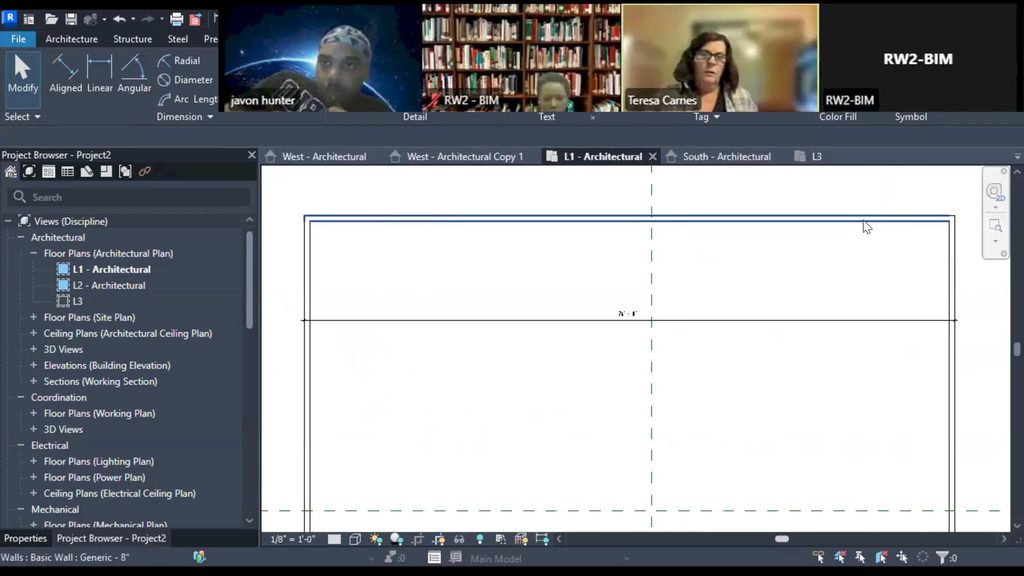
- AEC and CADD
- IT
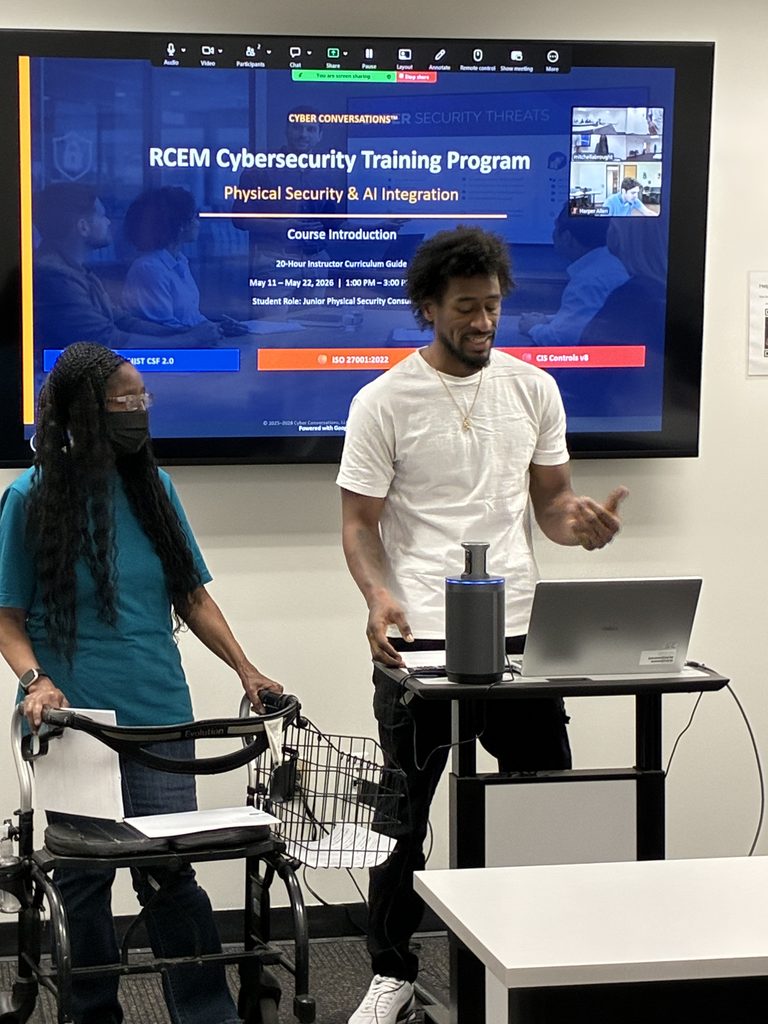
- Cybersecurity
Learning is connected to more than technical knowledge alone.
Career readiness also includes the ability to:
- Communicate clearly
- Work with others
- Solve problems
- Practice professional responsibility
- Approach technology ethically
- Build confidence in new environments
RW2 supports learners through online instruction, industry-aligned certification preparation, work-based learning, career readiness, and portfolio development.
For a person considering a career change, having a supportive learning pathway can make a significant difference. Learning new skills can feel challenging, especially when entering an unfamiliar field.
The goal is to help learners see themselves as capable participants in technical careers and to create opportunities for people to grow, contribute, and build a future with greater possibility.
Frequently Asked Questions About Changing Careers Without Going Back to College
Q: Do I need a college degree to change careers?
A: Not always. Whether you need a degree depends on the career you want to pursue. Some professions require formal degrees or licenses, while other pathways may value technical skills, certifications, experience, and demonstrated ability.
Q: What careers can I start without going back to college?
A: Some technical and workforce careers offer pathways through focused training, certifications, hands-on learning, and portfolio development. The requirements vary by industry, so it is important to research the specific career you are considering.
Q: How can I learn new job skills as an adult?
A: Adults can build new skills through career training programs, online instruction, certification preparation, technical education, projects, and work-based learning. The right option depends on your career goal and schedule.
Q: Are career training programs worth it?
A: Career training programs can be valuable when the skills being taught align with your career goals and industry expectations. Before enrolling, consider what employers expect and how the training supports your long-term plans.
Q: How long does it take to train for a new career?
A: Training time varies depending on the career, required qualifications, and learning pathway. Some skills can be developed through focused training, while other professions require several years of formal education.
Q: Can adults switch into a technical career?
A: Yes. Adults often bring transferable workplace skills and life experience that can support a transition into a new field. Building technical knowledge and confidence can help prepare them for new opportunities.
Q: Do I need experience before starting technical training?
A: Requirements vary by program and career pathway. Some learning opportunities are designed to help beginners build foundational knowledge, while others may expect previous experience.
Take the Next Step Toward Your Career Goals
You do not always have to wait years to begin working toward a new goal. Sometimes, the first step is simply identifying the skills you need and finding a learning pathway that fits your future.
If you are thinking about a career change without going back to college, give yourself permission to explore what is possible. Research the careers that interest you, recognize the skills you already bring, and look for opportunities to continue growing.
RW2 Career & Technical Education is committed to helping learners build confidence, develop technical skills, and prepare for meaningful participation in the workforce. Through learning, practice, career readiness, and connection to opportunity, people can begin creating new possibilities for themselves.
RW2’s next class begins October 12, 2026. If you are ready to explore technical careers and learn more about the training pathways available, taking the time to understand your options could be the beginning of an important next chapter.
Your future does not have to begin only when you have everything figured out. It can begin with curiosity, a willingness to learn, and one meaningful step forward.